January 2026 Market Report
MARKET NEWS
French strikes causing short term supply challenges:
French farmers are blockading roads and ports as the EU prepares to sign an agricultural trade agreement with the Mercosur bloc (a number of South American countries). Unfortunately, these blockades come on the back of a stretched supply chain that has suffered recently due to Storm Goretti impacting supply routes across France, Spain, and the UK. Supermarkets and manufacturers have struggled to maintain supply over the past few days.
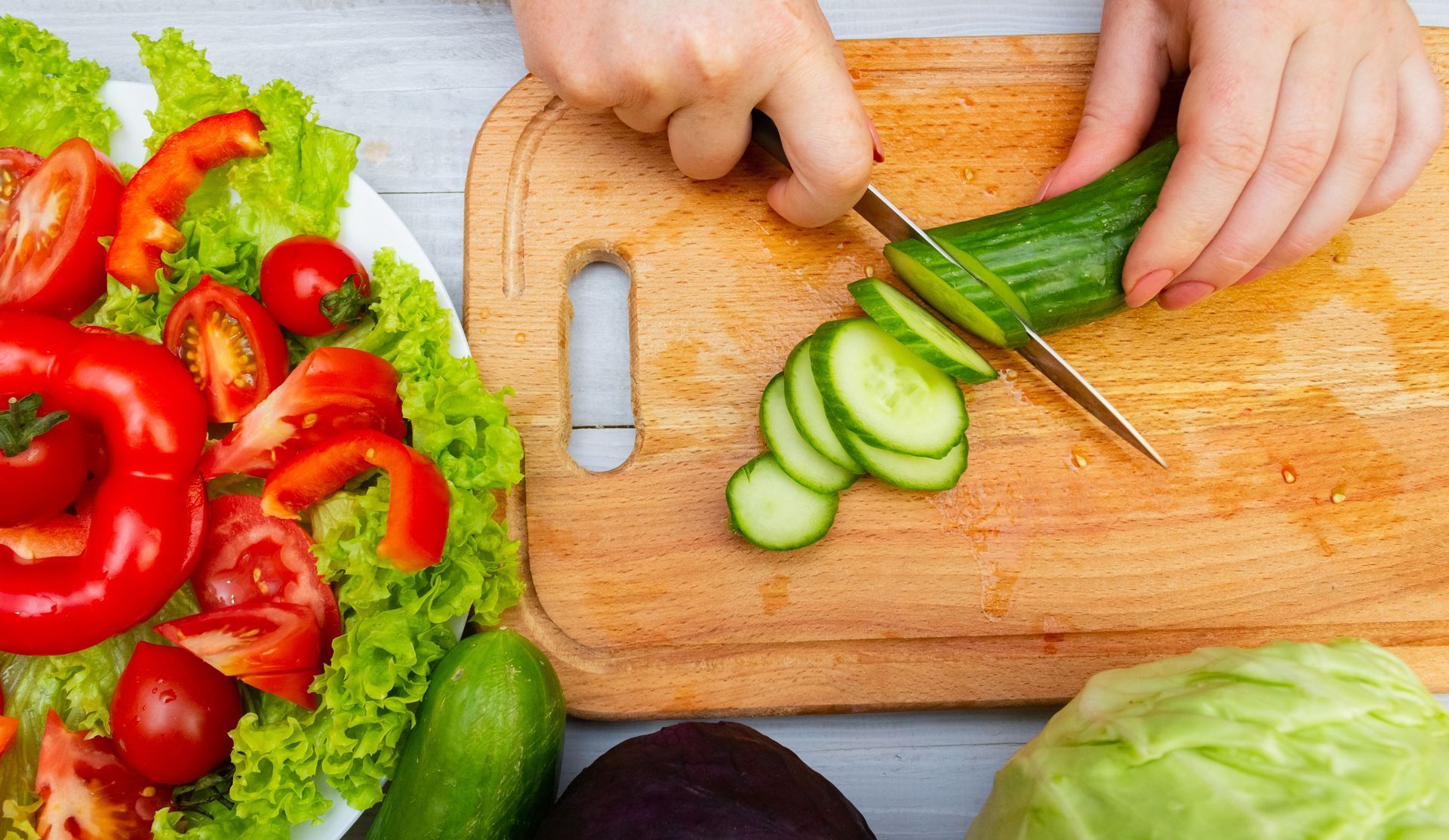
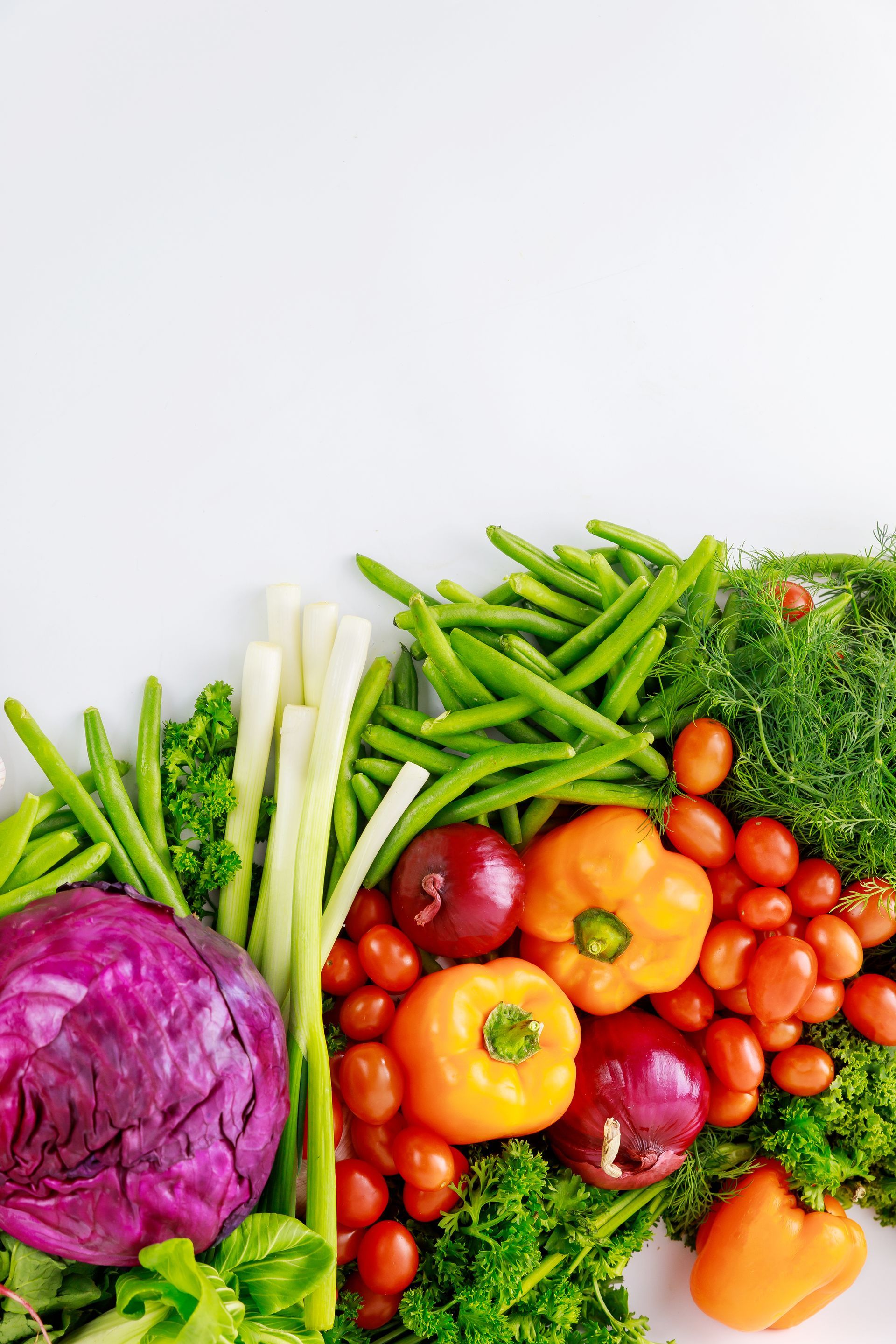
If the strikes continue, it is likely that there will be some supply impact to the following ingredients: cucumbers, tomato, courgette, pepper, aubergine, and salad leaf (iceberg, cos, gem, rocket). Open market prices on the above products are reportedly between 4-6 times their normal value which demonstrates the market conditions and scarcity.
Milk poured away due to oversupply
A major UK dairy processor, Freshways, has disclosed that it was forced to dispose of excess milk over the Christmas period due to a significant oversupply in the market. The overflow of raw milk was so pronounced that the company had no choice but to physically pour it away, highlighting one of the more stark consequences of an ongoing supply–demand disconnect in the British dairy sector.
The decision to dump milk reflects the severe imbalance facing UK dairy producers and processors, where production volumes outstrip processing capacity and retail uptake. After a period of strong milk flows and limited demand growth, dairy supply chains are struggling to find outlets for all the raw milk being delivered, with Freshways’ experience illustrating how extreme the current glut has become.
We are already seeing milk prices coming down from suppliers in response to this.

Mondelez Factory Fire:
A fire occurred on December 11 th at Mondelez’ Chirk facility. The fire has significantly disrupted the supply of all Cadbury hot chocolate products and we expect the impact to affect availability through January and February at a minimum.
UKHospitality warns of 2076 closures in 2026:
More than 2,000 hospitality venues could close this year without sector-wide business rates support, UKHospitality has warned. New modelling from the trade body has revealed that six hospitality venues could close every day in 2026. It forecasted the industry could see 963 restaurant, 574 hotel and 540 pub closures in the year ahead without additional support from government – the equivalent of 19
restaurants, 11 hotels and 10 pubs closing every week.
Currently, the average hotel will see their business rates increase by £28,900 next year and by £205,200 in total over the next three years – an increase of 115% – while the average pub will see their rates increase 15% next year – an extra £1,400 – and by 76% over the next three years – an increase of £12,900.
UKHospitality has called on the government to increase the business rates discount for hospitality properties from 5p to 20p, the maximum permitted in law, to ensure the government delivers its manifesto commitment of levelling the playing field between the high street and online giants.
The government has intimated it will be providing some relief to the pub sector at least and we keenly await clarity on this.
COMMODITIES REPORT
Fruit & Vegetables:
The weather has been causing quality and supply issues across Europe, with Spain in particular being hit. Europe is the main source of supply of fruits and vegetables for the UK at this time of year. The severe cold snap and mixed heavy rain and snow mean fields are frozen, crops are water damaged and road closures have been in effect. Along with the reported strikes in France, we expect this cause shortages and price increases on a number of lines.
Late January we will start to see the arrival of forced Yorkshire rhubarb. Grown in candlelit sheds and harvested by hand, it’s a truly unique ingredients and much anticipated. Spanish citrus fruits are at their best in January. Blood oranges have been available for a few weeks and have been great quality. Seville oranges are just arriving on the market now. Both have very short seasons, so make the most of them while you can.
January is the ideal time to lean into winter salads and rustic slaws, letting colder-weather leaves do the heavy lifting. Chicory, radicchio and endive all thrive at this time of year, whilst fennel, beetroot and celery add colour and texture to the plate.

In Season Now:
- Blood Oranges
- Seville Oranges
- Forced Rhubarb
- Bramley Apples
- Shallots
- Chicory, Radicchio and Endive
Meat Supply Update:
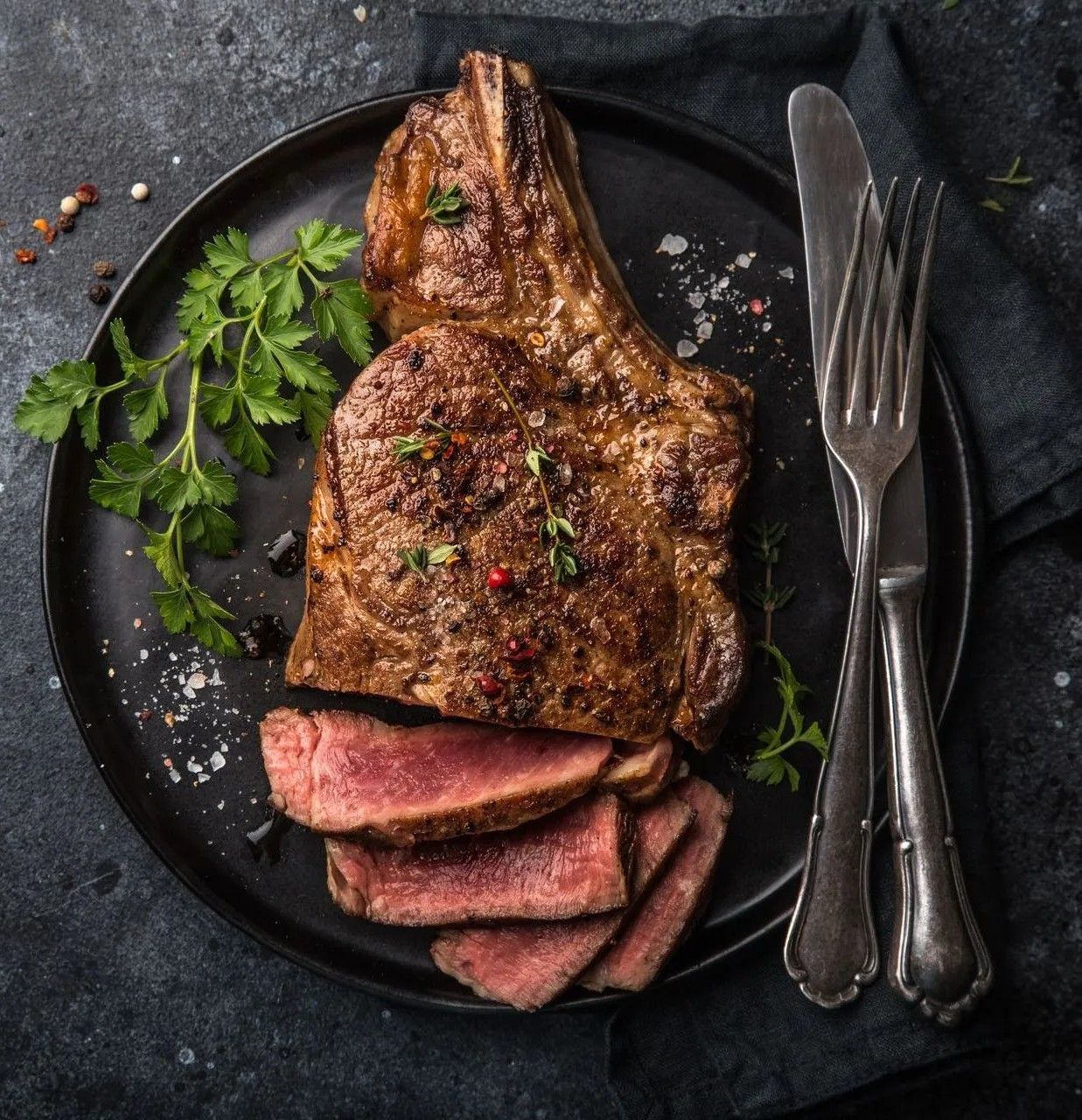
Beef prices continue to remain very high, with demand still outstripping supply. Similarly, as demand has shifted to Pork, supply is now struggling to keep up. This has been further impacted by an outbreak of African Swine Flu in Spain (the biggest pork producer in the EU). UK pork market is more stable and so UK product is a better option at the moment.
Frozen Fish Supply Issues:
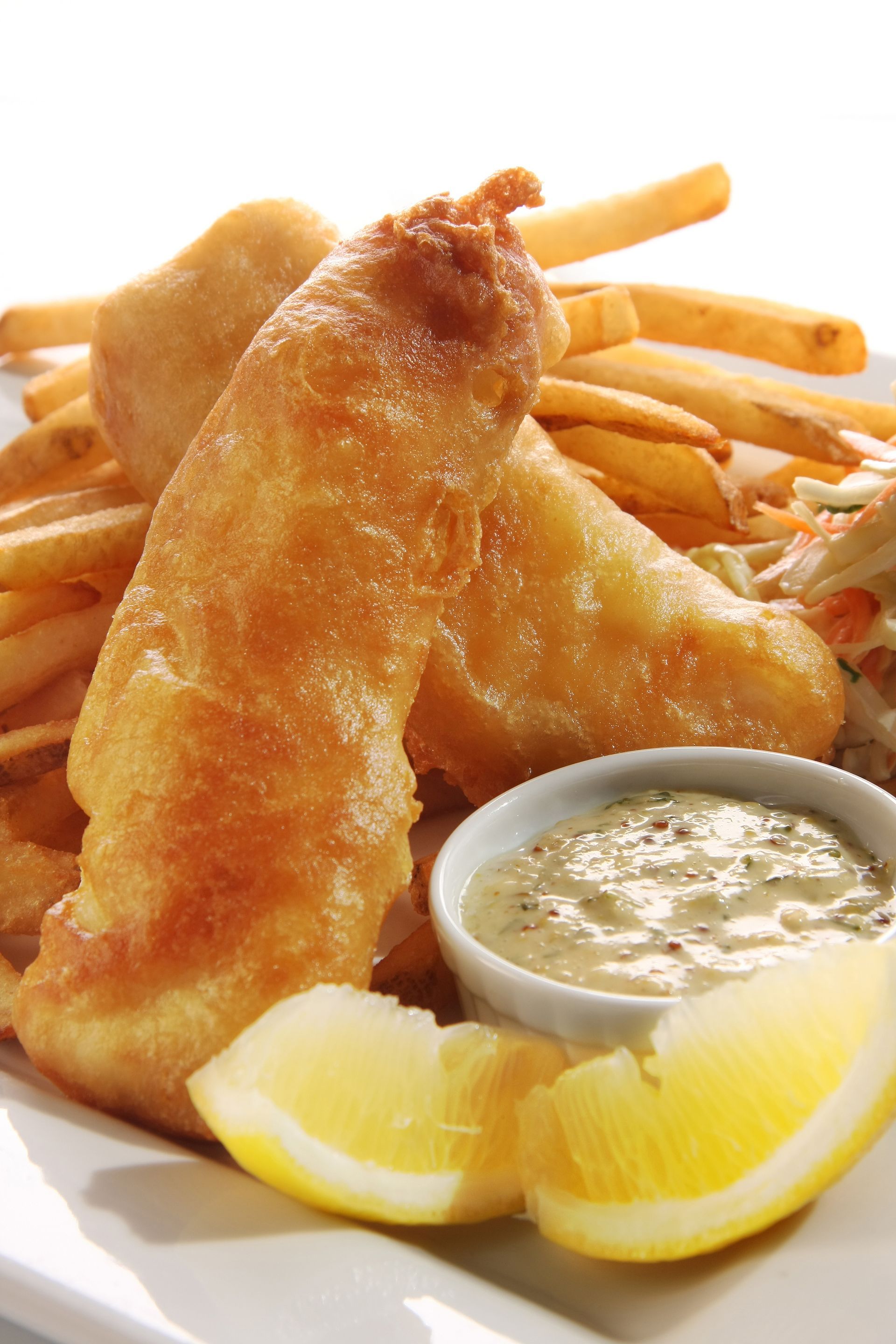
There is a shortage of cod, both single Frozen into the UK and European market but also for onward processing into China, due to the quota cut. Prices are sky high on frozen at sea cod, and this was the case throughout 2025. Add to this the sanctions put on Russian fish by the EU and USA, and it is creating a fundamentally distorted market. These prices are expected to last until 2027 or beyond as we wait for stocks
to recover.
The demand for IQF haddock is escalating, driven by the increases on cod. This demand is predominantly from the USA and UK. A decrease in price is now not expected to happen until late 2026 and into 2027. This is because the reduced cod quota is forcing fishermen to spread out their fishing during the year and to target the
premium specie (cod) with less focus on haddock, despite the increased quota. The
frozen haddock inventories in the UK, China and the EU/USA are exceptionally low.
We are already seeing force majeure and price increases from suppliers on frozen fish and expect this to be across the board.
Seasonal Recipe Suggestion
Making the most of seasonal winter veg, this take on a Waldorf salad is super
simple, lighter than the classic and allows you to use the best of the vegetable
offering on the market at the moment.
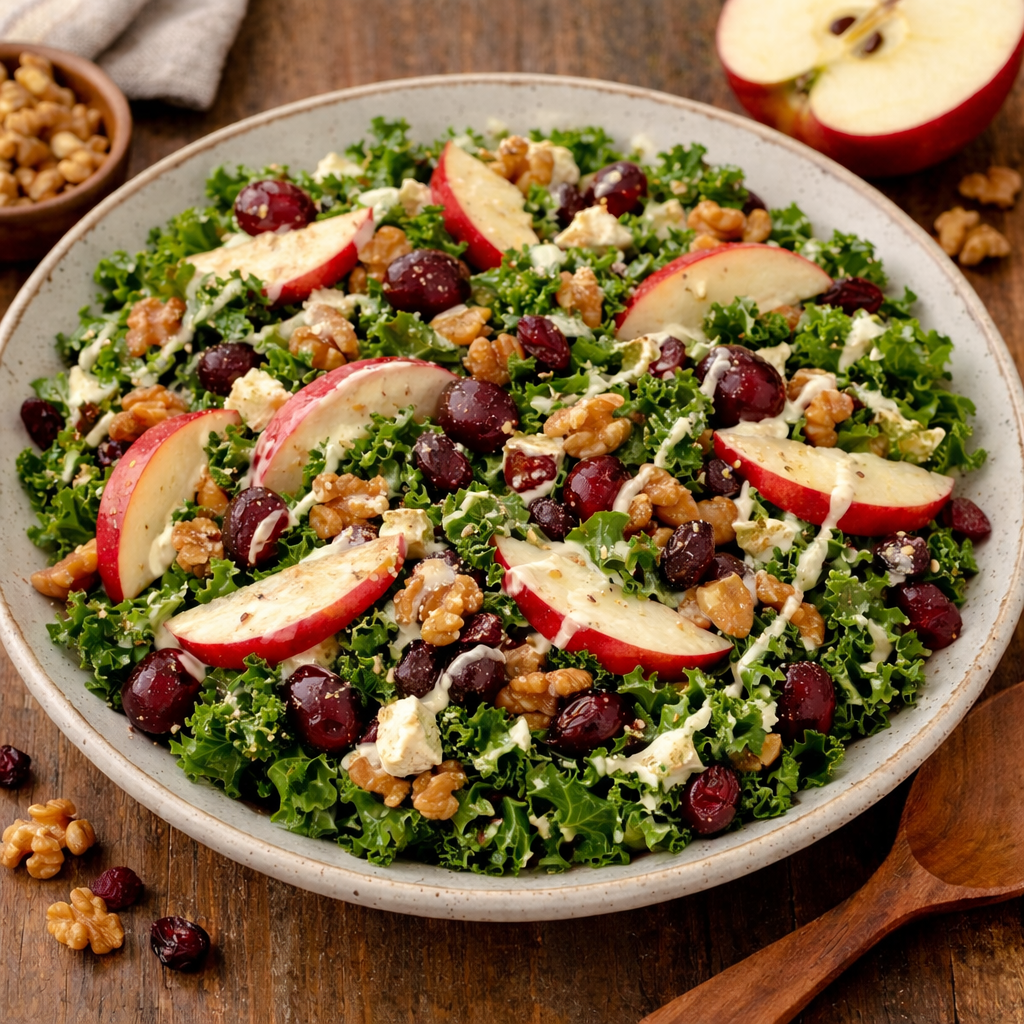
Winter Waldorf Salad
Serves 2
Ingredients:
1 tbsp cider vinegar
1 tsp Dijon mustard
2 tbsp yoghurt
olive oil
2 good handfuls of shredded black kale, Savoy cabbage, red cabbage or radicchio
2 small sharp apples, cored and diced
2 celery sticks, finely diced
30g walnuts, chopped and toasted
40g dried cranberries, raisins or sour cherries
salt and pepper
Method:
Make the dressing by whisking the vinegar and mustard together. Slowly whisk in the yoghurt followed by 1 tablespoon of olive oil. Season well. Throw the remaining ingredients together and streak over the dressing to serve.