April 2026 Market Report
MARKET NEWS

UK inflation rises after Iran war pushes up fuel prices:
The UK inflation rate rose to 3.3% in the year to March, after the US-Israel war with Iran caused the largest jump in petrol and diesel prices in over three years.
The rise was "largely due to increased fuel prices", while airfares and food also contributed, the Office for National Statistics (ONS) said.
The figures provide the first official look at the impact of the Middle East conflict on the cost of living in the UK.
Inflation is now expected to be higher this year due to the war, and higher energy costs could also slow down the economy as people and businesses have less money to spend.
Inflation could peak around 3.5% to 4% this year, economists have predicted. This would be higher than the Bank of England's target of 2%, but much lower than the double-digit rates seen early on in the war in Ukraine in 2022.
The Food and Drink Federation, which represents manufacturers, forecasts food inflation could be as high as 10% by the end of the year.

Government to ban high-sugar and deep-fried food in schools
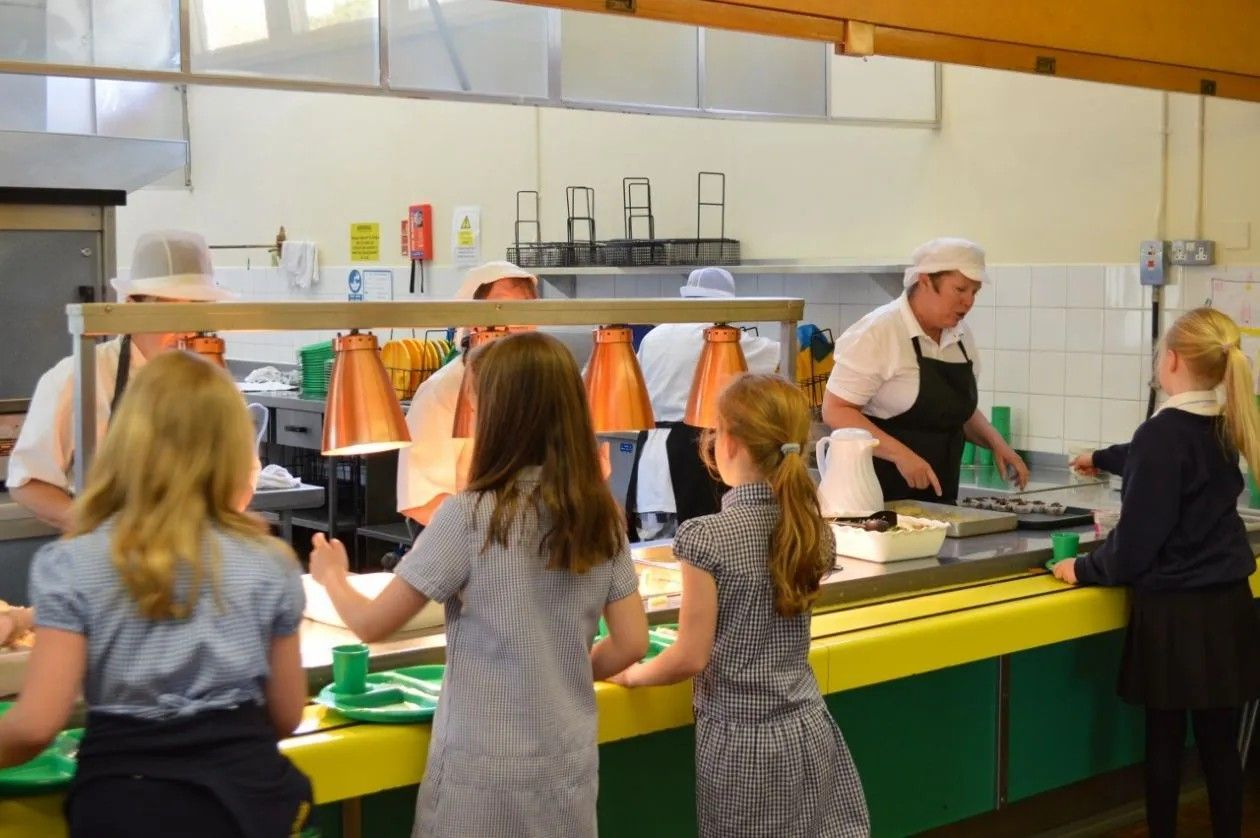
The government has announced plans to remove high-sugar and deep-fried foods from school meals.
A nine-week consultation launched on the 13th April which sets to overhaul the School Food Standards for the first time in over a decade.
New standards, developed alongside nutritionists and public health experts, will apply to all breakfasts and lunches served by schools.
This will see the removal of unhealthy ‘grab-and-go’ foods like sausage rolls and pizzas from daily menus, while fruit will need to be served instead of high-sugar treats for the majority of the school week. Deep-fried foods will be completely banned.
The government is also developing a national enforcement system to monitor schools’ compliance. Full details will be announced in September 2026, with enforcement in place from September 2027.
Employment Rights Bill timeline – how will it impact hospitality?
With 35 separate measures being introduced over the next two years, the Employment Rights Act represents the most significant shift in employment law in a generation.
While some elements have already come into force, including the repeal of the Strikes (Minimum Service Levels) Act 2023 and much of the Trade Union Act 2016, making it easier for workers to strike and strengthening protections against dismissal for taking industrial action, the bulk of the changes will begin from 6 April and roll out through to 2027.
From 6 April 2026:
Statutory sick pay
Statutory sick pay will be available from the first day of illness, rather than the fourth, with the lower earnings limit also removed.
‘Day one’ unpaid parental leave and paternity leave
New measures will give parents the right to up to 18 weeks of unpaid leave per child, available from day one of employment and usable up to the child’s 18th birthday.
Paternity leave will also become a day-one right, removing the current 26-week service requirement.
Menopause and gender pay gap action plans
Large employers (with 250 or more staff) are being encouraged to publish menopause action plans from 6 April, with the requirement set to become mandatory from spring 2027. Support strategies could include clear menopause policies, flexible working options, reasonable adjustments and greater training and awareness around symptoms.
The Act also encourages the voluntary adoption of action plans to address gender pay gaps ahead of mandatory requirements in 2027. The aim is to move beyond reporting towards more robust, evidence-based action that can accelerate progress in closing the gap.
Collective redundancy protective
The measure will double the maximum ‘protective award’ for failure to consult in collective redundancy, increasing it from 90 days’ pay to 180 days’ pay.
A package of trade union measures
This includes simplifying the trade union recognition process and electronic and workplace balloting.
COMMODITIES REPORT
Fruit & Vegetables:
Spring has now officially arrived, and the produce calendar is finally starting to look bright. A host of homegrown favourites are either already with us or firmly on the horizon, joined by a fresh wave of European arrivals and the full transition into the Dutch salad season.
There’s plenty to be excited about, from spring greens and elegant new-season arrivals to the ingredients that quietly signal summer is approaching.
April is a fantastic month for exciting UK produce. In season now:
- Asparagus
- Wild Garlic
- Jersey Royal Potatoes
- Cavolo Nero
- Hispi Cabbage
- Watercress
The supply of capsicums, aubergines, and broccoli have again been affected by the weather. As we move towards warmer weather, we hope supply will slowly return to normal.

Frozen Seafood & Meat:
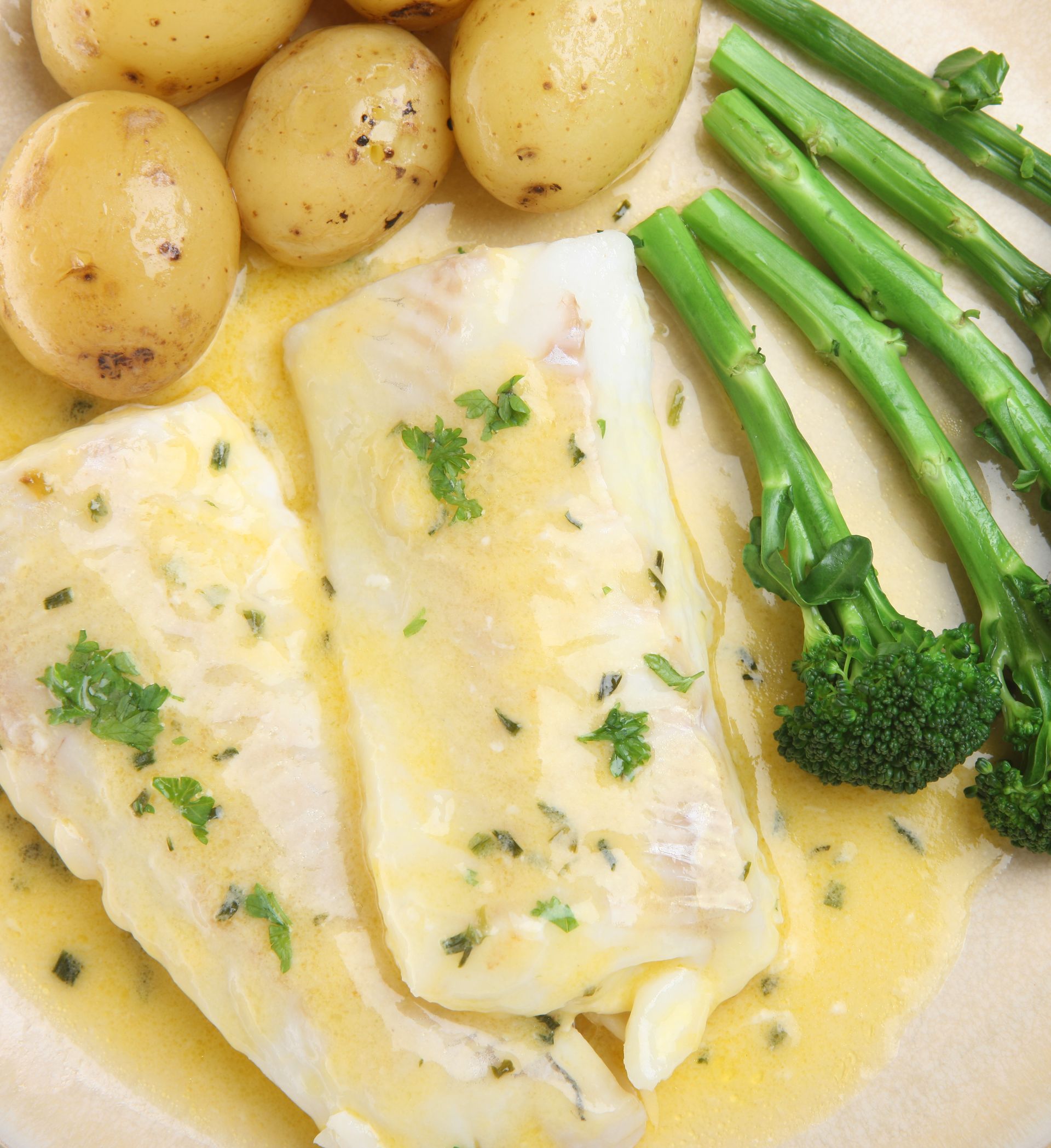
Frozen protein categories are experiencing heightened pressure due to their reliance on refrigerated containers. Global shortages of these containers, combined with shipping lines avoiding affected regions, are resulting in extended longer transit times and higher cold‑chain costs. Seafood suppliers report varying levels of risk depending on origin. Some had already rerouted shipments around Africa in previous years due to Red Sea instability and therefore are not expecting fresh delays. Others have warned of potential cost increases driven by higher freight rates, longer voyages and shortages of empty containers returning to Asia.
Shellfish:
If the UK weather stays warmer, our own native lobster season will start soon. Good availability of both UK and Canadian origins will help to keep prices down, but it will not be until May at the earliest.
Mussels will be out of season in May, but if temperatures rise, the quality may start to deteriorate earlier. Those operators who wish to continue offering live mussels during the warmer months should be aware that the product will be poorer quality.
UK processed crab prices have increased. Significant impact is being felt within processing factories due to the increases in the national living wage. This is in addition to rising raw material costs due to reduced landings of brown crab this season. Variable raw material quality is also impacting yields during processing, which significantly raises the cost of finished products.

Seasonal Recipe Suggestion
Asparagus only needs the lightest touch to make it irresistible, and this simple recipe brings out the full flavour. Chargrilled asparagus are served alongside alioli to create a garlic lover’s dream. This sauce compliments the asparagus beautifully, but also goes perfectly with any other vegetable, so be sure to make extra.

Asparagus with roast garlic alioli
Serves 4
Ingredients:
Ingredients:
2 bunches of asparagus
1 garlic bulb
1 egg yolk
juice of ½ lemon
150ml olive oil
salt
Method:
Step 1:
Preheat oven to 190°C/Gas 5. Slice the top off the garlic bulb and place it in a baking dish. Drizzle a little olive oil on top and flip it over. Bake for 25-30 minutes or until the garlic is soft when pierced with a knife. Let it cool for 15 minutes.
Step 2:
Meanwhile, heat a griddle pan until smoking hot and prepare the asparagus by cutting off any tough ends. Lightly oil and grill in batches until you have a thick black mark on each side. Place them on a serving plate, sprinkle some flaky salt on top and set aside.
Step 3:
Squeeze the garlic from the bulb into a blender or food processor and add the egg yolk and lemon juice. On a low speed, slowly pour in the oil until a cream sauce begins to form. To finish off, season to taste with salt and place into a small serving bowl next to the chargrilled asparagus.