March 2026 Market Report
MARKET NEWS
UK Farmers struggle as Iran war drives up costs:
The prices of crucial farming inputs such as fuel and fertiliser have skyrocketed, just at a time when their use will increase in the coming weeks as the spring planting season gets under way and farmers use their tractors more.
It is estimated that about a third of the global seaborne trade in fertilisers passes through the strait of Hormuz. The narrow trade artery has effectively been closed since the start of the war, halting the transport of fossil fuels as well as ammonia, nitrogen and sulphur, vital ingredients in many synthetic fertiliser products.
A prolonged transport shutdown could disrupt production at the world’s largest fertiliser manufacturing sites, many of which are located in the Gulf. About 16m tonnes of fertilisers were transported by sea from the region in 2024, according to Unctad.
This is leading to worry and uncertainty among farmers, particularly when many are unsure what price they have to pay for crucial products.

Hospitality Reacts to Spring Statement
The hospitality industry has criticised the chancellor for delivering a Spring Statement that “feels disconnected from reality”.
On the 3rd March Rachel Reeves assured the House of Commons that the government has “the right economic plan” amid an “increasingly dangerous world”. She said Labour has “restored economic stability”, with inflation forecast to fall faster than previous estimates. GDP was expected to grow by 1.1% in 2026, down slightly from the 1.4% forecast during November’s Budget. Reeves said her actions would keep inflation “low and stable” should another energy crisis arise out of the conflict in the Middle East. She also stated the government “will not leave an entire generation of young people behind” after it was revealed last month that unemployment among people aged between 16 and 24 was at 16.1%, its highest in more than 10 years.
The Spring Statement comes ahead of next month’s changes to business rates, which will see government replacing the existing retail, hospitality and leisure relief with two lower business rates multipliers for properties with rateable values below £500,000.
From 1 April, National Living Wage rates will also increase to £12.71 per hour for workers aged 21 and over and to £10.85 for 18–20-year-olds.
Hospitality operators have raised concerns around the lack of reprieve from day-to-day challenges in the industry.
Kate Nicholls, chair of UKHospitality, stated: “If the government wants to deliver growth everywhere for everybody, it needs to recognise that hospitality is the sector best placed to deliver that across the country.
COMMODITIES REPORT
Fruit & Vegetables:
Severe weather conditions in Spain and Morocco, including heavy rain, low temperatures, and poor light levels have stressed crops, slowed growth, and caused early field exhaustion. Combined with disease pressures in courgettes and peppers, this is leading to reduced yields, inconsistent quality, and increased pricing.
Tomatoes remain extremely tight as Moroccan supply ends ahead of Dutch production starting mid-May onwards, and Spanish lettuce is also showing quality challenges as we approach the UK season in May.
Rising energy costs and fuel surcharges are adding further pressure across imported products. Over the coming weeks, customers should anticipate ongoing uncertainty in availability, quality, and pricing.
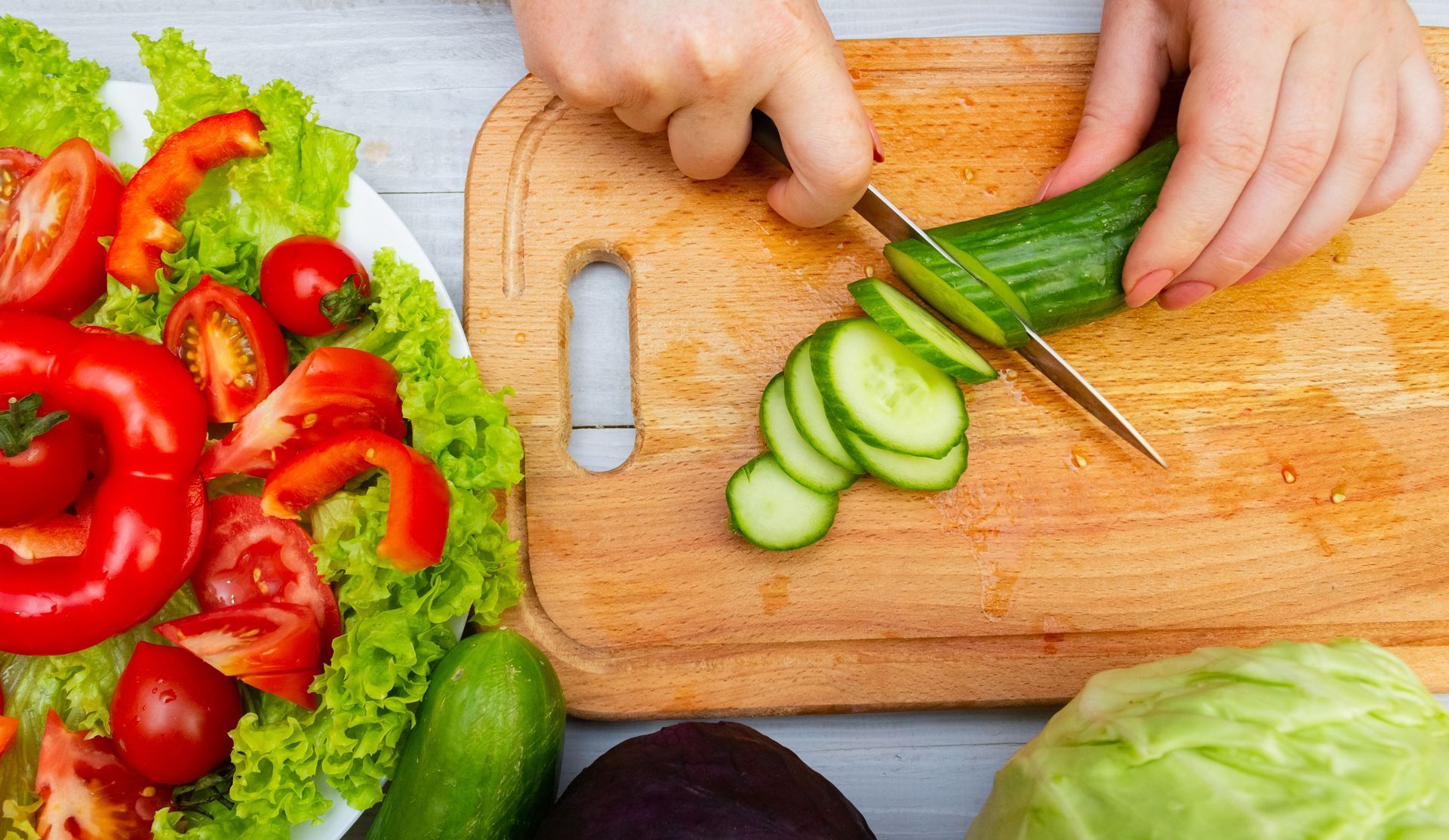
Markets for peppers, berries, carrots, and brassicas remain strained, although cucumbers are beginning to stabilise as Dutch volumes improve.
We are starting to see price increases and tighter availability on fine beans, sugar snaps and mangetout. As these products are airfreighted, disruption to flights through key hubs such as Dubai is affecting supply.
Connect’s suppliers continue to work closely with growers to secure allocations and carry out daily quality checks to support supply continuity as conditions evolve.
March is a fantastic month for exciting UK produce. In season now:
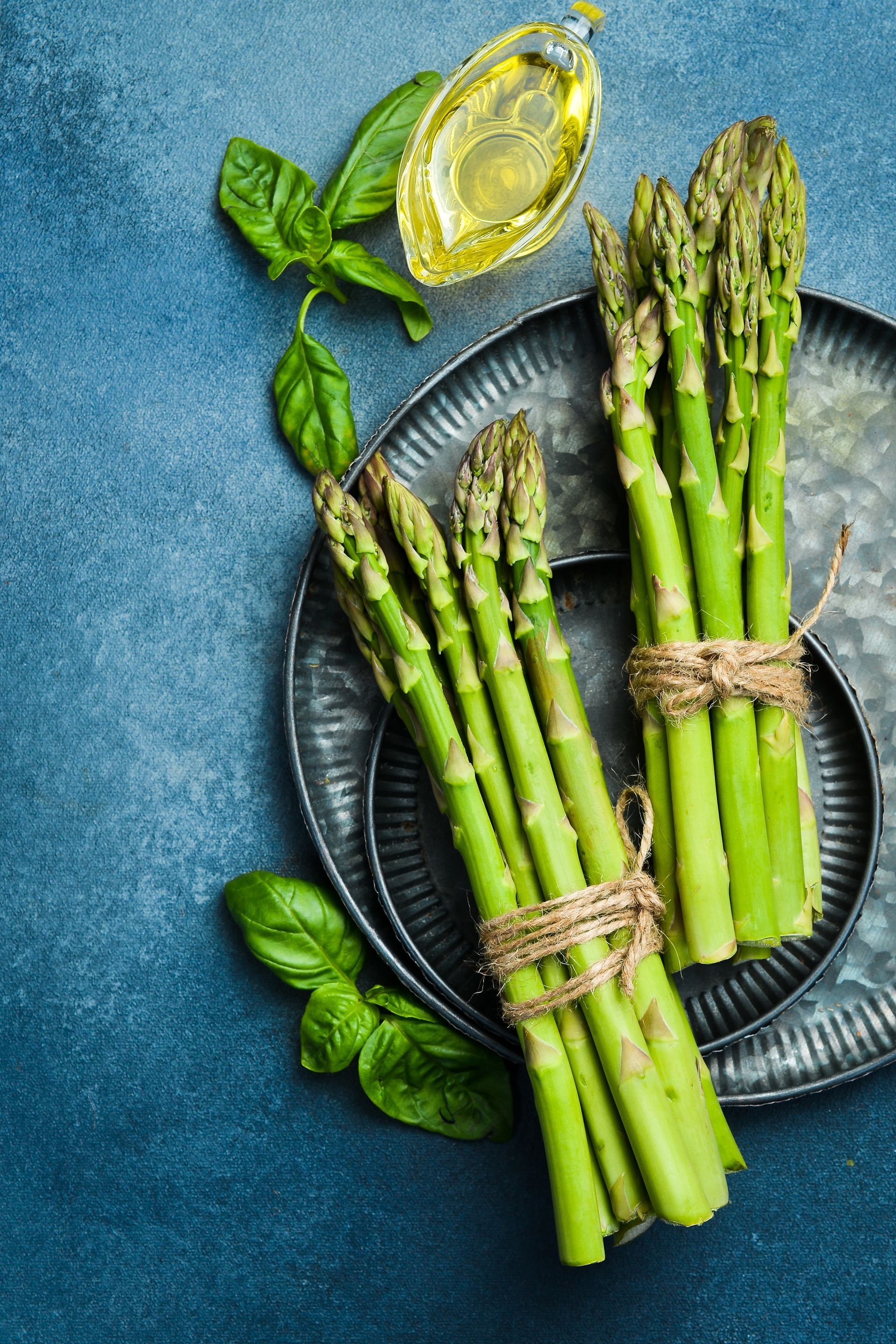
- UK Asparagus
- Wild Garlic
- Jersey Royal Potatoes
- UK Rhubarb
- UK Leeks
- Italian Monks Beard
Continued White Fish Supply Issues:
The market continues to experience extreme price and demand pressure in the global white fish industry. Both cod and haddock have maintained their steady upwards price trajectory in recent months. Prices seem to be levelling out at record levels – with little indication of easing due to the continued effects of quota reductions and demand outstripping supply.
There is an increase in the presence of Chinese buyers in Iceland as they are unable to sell Russian sourced fish to most European countries. It is necessary for them to purchase a percentage of Icelandic origin fish to enable continued exports to the USA and Europe.
This bolsters demand. From this month we will begin to see reduced volumes of smaller codling as the fish begin to spawn. Haddock will also start spawning and the quality will be poorer. Line caught fish will fetch a premium as their condition will be superior. Furthermore, there are extremely low stocks of frozen fish available from Iceland, so there are no reserves to draw off during this time.

Seasonal Recipe Suggestion
Making the most of seasonal March veg, these delectable gnocchi include wild garlic for an intense flavour hit. Finish simply with just a little parmesan or serve with a sauce of your choice.
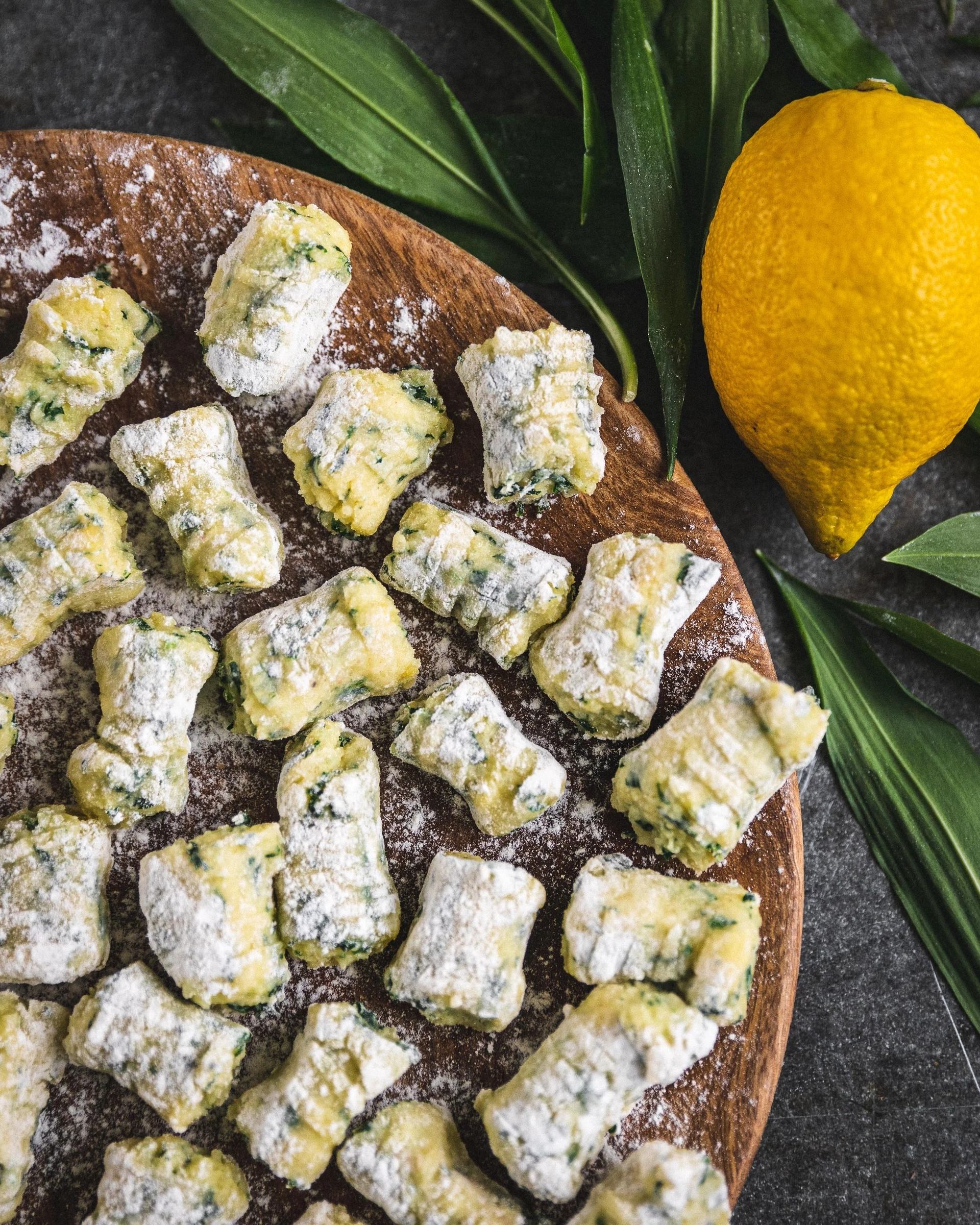
Wild Garlic Gnocchi
Serves 2
Ingredients:
800g potatoes
70g wild garlic
250g plain flour
¼ tsp ground nutmeg
2 egg yolks
butter or olive oil, for frying
1 lemon
Method:
Step 1:
Preheat your oven to 200⁰C fan/Gas 6. Give each potato a couple of jabs with the tip of a knife and give them a quick wash. While still wet, rub the skins generously with salt. Pop them in the oven and bake for 40–50 mins or until completely cooked through.
Step 2:
Meanwhile, put a kettle on to boil. Wash the wild garlic, place it in a heatproof bowl and pour over enough boiling water to cover. Leave for 30 seconds until wilted. Drain and cool immediately with cold water. Drain again and then squeeze out as much excess water as you can with your hands. Chop it very, very finely and leave it spread out on the chopping board until needed.
Step 3:
When the potatoes are ready, turn off the oven. Carefully cut the potatoes open and leave them in the oven for 10 mins to drive away some of the moisture in the flesh. Meanwhile, put a large pan of salted water on to boil.
Step 4:
Now dust a clean work surface with about half the flour. Scoop the warm flesh out of the potato skins and pass through a potato ricer or push them through a fine sieve with the back of a spoon, directly onto the floured surface. Season with salt and nutmeg and add the egg yolks and chopped wild garlic. Bring everything together gently until it starts to form a dough, dusting with more flour if it feels too sticky or wet. Divide it into 4 equal parts.
Step 5:
Dust the work surface with more flour and roll each piece out into a long thin sausage shape, dusting with more flour to keep it workable as needed. Cut the sausages into 2cm pieces, these are your gnocchi. Dust them all again lightly with flour. At this stage you can press and roll each one down the tines of a fork to give them a bit of texture if you like.
Step 6:
Reduce the water to a gentle simmer and add the gnocchi. Simmer for a few minutes until they float to the surface. Simmer for a further minute to cook them through. While they are cooking, heat a knob of butter or dash of olive oil in a large frying pan.
Step 7:
Remove the gnocchi from the pan with a slotted spoon and add to the frying pan to take on a little colour for a few minutes. Finish with a grind of pepper and a little squeeze of lemon juice.