August 2026 Market Report
MARKET NEWS
School Food Standards
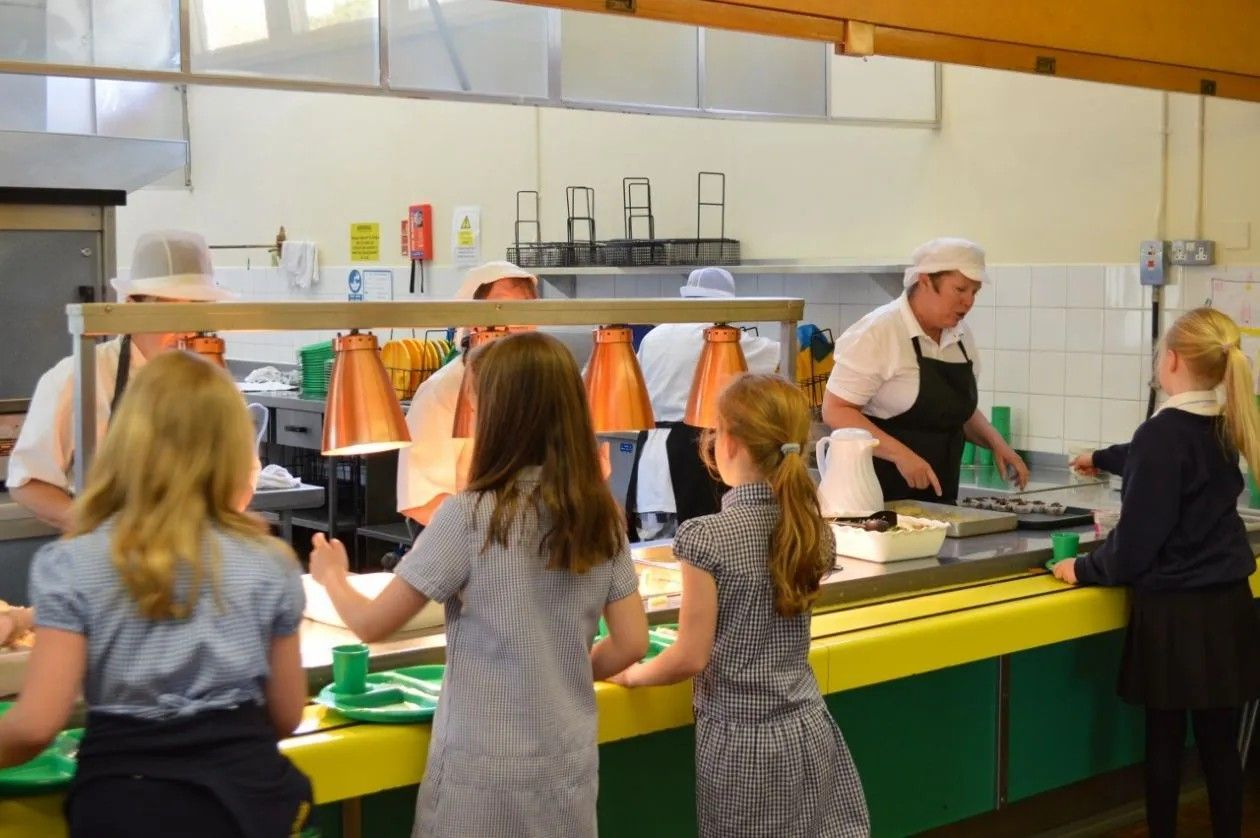
The Bite Back campaign examined a representative sample of 500 state-funded secondary schools across England and found downloadable menus for almost 400. Of those, 76% contained an identifiable violation of the current standards, ahead of the roll-out of improved standards in September 2027.
The analysis found repeated unhealthy options offered during breakfast and break times, including crisps and branded confectionery.
Bite Back said the findings show the government has both an opportunity and a public mandate to ensure more children receive nutritious and delicious school food, and that the companies contracted to provide it are meeting the School Food Standards.
Under the updated standards due to go into force in September 2027, deep-fried foods will be completely banned, grab-and-go options will be removed from daily menus, and all desserts will be made up of at least 50% fruit.
The proposed new School Food Standards will follow the expansion of free school meals from September 2026 to any child in England whose parents receive Universal Credit, which the government estimated will apply to 500,000 more pupils.
Contact your Sales Manager to hear how we can support your school to meet compliance standards without increasing costs and maintaining uptake.

Food and drink prices rise amid scorching heat
The repeated heatwaves are changing the game for the UK food system, with some crops under threat and others ripening early. This month, drought was declared across more than two-thirds of England following the driest July on record, and UK investment bank Shore Capital predicts that 2026’s summer heatwaves will trigger the UK’s most severe food security crisis in decades. With no signs of abating, these impacts are filtering through to the hospitality supply chain, with restaurant kitchen gardens rethinking their watering tactics and planting schemes.
The National Farmers Union (NFU) has warned of shortages of wheat and oats in particular, with the Energy and Climate Intelligence Unit (ECIU) has estimated that the UK’s cereals and oilseeds harvest will reduce by 11% to 19.5 million tonnes – the worst combined on record since 1984.
Jenny Varnam, senior policy specialist at the NFU food business unit, tells The Caterer: “The dry weather is slowing crop growth, reducing yields, putting strain on water availability and causing challenges with labour”.

Potato Market:
Potatoes are currently one of the most significant concerns. Prolonged hot and dry weather has severely affected UK production, with potatoes stopping growth in temperatures above 25°C. Early signs are that Yields are going to be significantly reduced, harvested crops look to be generally smaller, with large baker and chipping grades coming under the greatest pressure. Some growers have also experienced complete crop failures where irrigation has been unable to sustain plants.
The combination of reduced yields and smaller sizing is expected to result in considerable cost increases, particularly across 40, 50 and 60-count bakers, with current indications suggesting pressure on these larger grades could continue for the longer term.
COMMODITIES REPORT
Fruit & Vegetables:
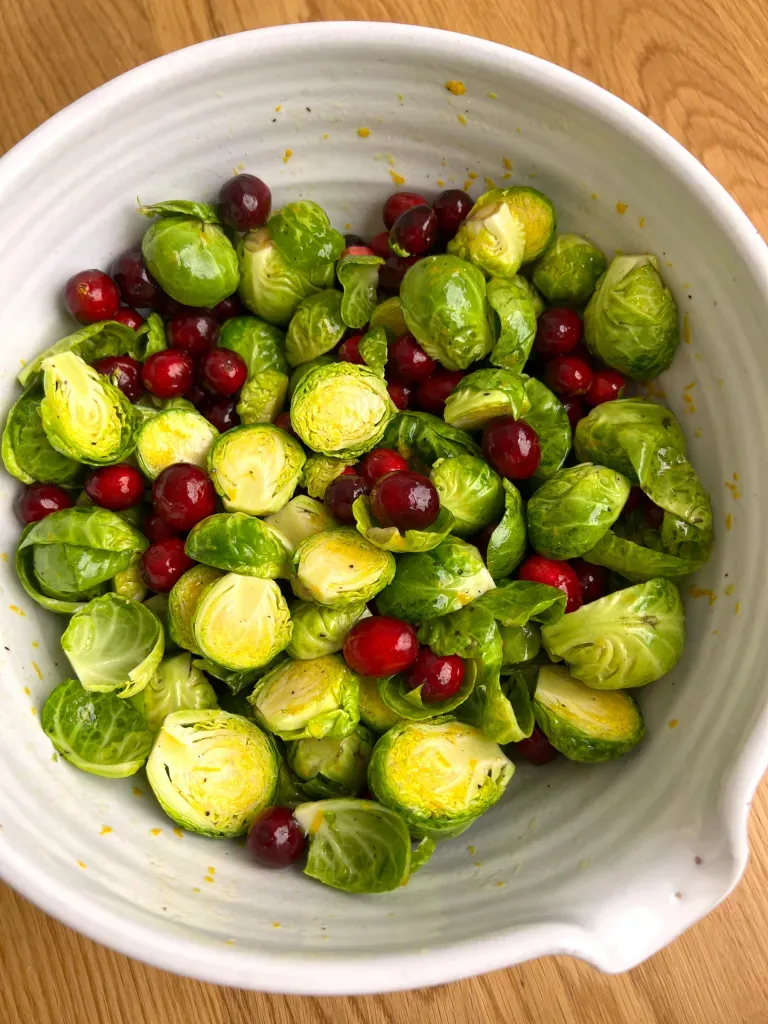
Looking ahead, the concern is that today's growing conditions could continue to affect availability and pricing several months from now. Many brassica crops required for Christmas and New Year are planted and develop during the summer, so the impact on future yields, quality and sizing is still to be fully understood.
Across Europe and North Africa, extreme heat is also affecting crops developing for October and November harvests, potentially impacting lettuce, broccoli, tomatoes, peppers, aubergines, cucumbers and courgettes. Hotter conditions are also increasing pest pressure in peppers, whilst water extraction restrictions in Holland could potentially shorten the glasshouse season for tomatoes, peppers and cucumbers.
The transition from UK and Northern European crops into Spanish, Italian, French and Moroccan supply will therefore be particularly important this year.
Lines we are currently seeing particular issues with are Potatoes, Iceberg Lettuce, Salad Bags, and Peeled Garlic.

At their best in August:
- Rainbow Chard
- Fresh Figs
- Damsons
- Peaches & Nectarines
- Summer Squash
Pork:
European pork markets remain relatively stable. China continues to move towards self-sufficiency on pork, and this has reduced the export opportunities for European producers, leaving addition product available on domestic markets.
Pork therefore remains the protein least affected by global supply issues and offers excellent value compared with beef or lamb.
UK & EU Poultry:
The UK poultry market remains stable and production is growing.
The EU market is recovering well from Avian Influenza and Newcastle Disease restrictions. However, the extreme heat over the summer has impacted bird growth and increased mortality rates.
Poultry prices are expected to remain firm during August with potential upward movement heading into September when the EU Brazilian import restrictions begin to affect supply chains.
Seasonal Recipe Suggestion
Saag aloo has long been a favourite side dish for an Indian meal. Traditionally spinach is used but it works equally well with chard.

Chard Saag Aloo
Serves 4
Ingredients:
For the saag aloo
500g potatoes, peeled and chopped into 2cm dice
1 red onion
4 garlic cloves
1 red chilli
1 thumb-sized piece of ginger
1 carrot
1 stick of celery
25g of butter or 2 tbsp of plain oil
300g chard or rainbow chard
2 tomatoes
pumpkin seeds, to garnish
For the spice mix:
1 tsp of black mustard seeds
1 tsp of ground cumin
1 tsp of ground coriander
1 tsp of garam masala
½ tsp of turmeric
Method:
Step 1
Bring a pan of salted water to the boil and cook the potatoes until they are just cooked but still firm.
Step 2
Finely peel and dice the onion. Peel & finely chop or grate the garlic. Finely dice the chilli, ginger, carrot and celery. In a heavy bottomed frying pan, melt the butter and add the vegetables. Gently fry on a low heat until soft. Add a splash of vegetable oil if it appears too dry.
Step 3
Chop the tomatoes. Prepare the chard. Remove the leaves from the stalks, then roughly chop both. When the onion mixture is soft, add the stalks, tomatoes and the spice mix. Stir until its thoroughly mixed.
Step 4
Add the potatoes to the pan and stir, then add the chard leaves and a splash of water. Cook on a low heat until the leaves have wilted. Taste and season with salt and pepper. Serve as a side.