July 2026 Market Report
MARKET NEWS

Food Inflation Forecast
The Food and Drink Federation (FDF), which represents the UK’s 12,000 food and
drink manufacturers, has revised its food inflation forecast in light of recent
geopolitical events.
FDF previously forecast that the rate of food inflation would gradually ease in 2026,
ending the year around 3%. However, given the effective closure of the Strait of
Hormuz and impact on oil and gas facilities in the Middle East due to the conflict in
Iran, FDF has uprated the forecast. It now anticipates that food inflation will reach at
least 9% by the end of the year.
Given the fast-changing nature of the situation, this revision is based on assumptions
that the Strait of Hormuz opens to cargo traffic within the next 2-3 weeks and the
majority of key facilities, such as oil, gas and fertiliser sites, return to normal within a
year.

Hospitality insolvencies reduce amid heatwave and World Cup:
Hospitality insolvencies have declined as a result of warm weather and the World
Cup, analysts have suggested.
Company Insolvency Statistics for June 2026, published by the Insolvency Service,
revealed accommodation and food services insolvencies have continued its
downward trend, falling 15% from 279 in May 2026 to 237 in June 2026.
Insolvencies in the sector also dropped 23% compared to the same month in 2025.
However, the hospitality industry still ranked third out of the sectors that experienced
the highest number of insolvencies in the 12 months to June 2026, after construction
and wholesale and retail.
Call for new Prime Minister to support the hospitality sector:
In his first address as prime minister on Monday, Andy Burnham outlined his
ambitions, which included helping more young people into work and devolving power
and opportunities for growth beyond Westminster.
Allen Simpson, chief executive of UKHospitality, said the industry body welcomed
Burnham’s commitments, and called on the prime minister to reduce the cost burden
for industry operators to drive growth.
“Hospitality is uniquely placed to deliver these ambitions,” said Simpson. “As one of
the UK’s most socially productive sectors, we provide millions of jobs, offer first
career opportunities for young people, help people back into work and support
communities across the country.
“Our sector is an economic powerhouse with huge opportunity, but that potential is
being constrained by a significant tax burden. A permanent reduction in hospitality
VAT to 10% would not only unlock investment and job creation but also help make
hospitality more affordable for consumers. Alongside lower business rates and
reduced employment taxes, it would help deliver the growth the prime minister wants
to see”.
COMMODITIES REPORT
Fruit & Vegetables:
As we move into the heart of summer, UK’s natural larder is bursting with colour,
flavour and no shortage of menu inspiration. From an expanding selection of soft fruit
to vibrant brassicas and the first of the new-season roots.
July heralds the arrival of new-season root vegetables, with carrots leading the
charge. These early crops are typically smaller in size but more than make up for it
with their sweet flavour, delicate texture and vibrant, freshly lifted appearance.
Swede and Parsnips will soon follow as well.

UK peas have arrived and are a reminder that sometimes the simplest ingredients
are the hardest to beat.
UK purple sprouting broccoli and courgettes have also begun to appear and UK
sweetcorn has also started.
Raspberries and Strawberries are in strong supply, with blackberries and cherries
coming soon.
UK lettuce is also looking great and the Dutch season tomatoes, cucumbers and
peppers are also arriving in good volumes.
At their best in July:
- Raspberries
- Blackberries
- Cherries
- Strawberries
- Gooseberries
- Broccoli
- Cauliflower
- Lettuce
- Heritage Tomatoes
- Peas
- Sprouting Broccoli
- Courgettes
Brazilian Beef:
On Friday 5th June the European Union Confirmed that Brazil will be removed from
the list of countries authorised to export animal products to the bloc starting from 3 rd
September. According to European authorities, Brazil has not provided sufficient
guarantees regarding the control of antimicrobial use in livestock farming.
The United Kingdom, which left the EU in 2020, has been pursuing closer regulatory
alignment with the bloc in sanitary and phytosanitary matters and is also expected to
apply the same requirements to Brazil.
The impact of this ban could put serious pressure on prices and availability. Currently
beef prices are already very high, so this would be an unwelcome additional
pressure.

EU Poultry:
There have been no further reported outbreaks of avian flu in the past few weeks
which means restrictions are expected to be lifted. However, prices are unlikely to fall
unfortunately. The current challenge is the weather, with Europe experiencing 40C
heat. This heat is expected to drive up bird mortality rates across all farms.

Mackerel:
The spring Marine Conservation Society (MCS) ratings review has seen various
significant changes that will affect choices for menus over the summer and autumn.
The most critical is the downgrading of all North Atlantic mackerel to a default 5
rating. This news has been widely publicised, and many retailers and food service
businesses are removing mackerel from their listings.
An alternative to North Atlantic mackerel is MSC certified Chilean mackerel which
will have an MCS 1 rating, so a more sustainable option
Seasonal Recipe Suggestion
A fresh, vibrant dish that makes the most of the new season peas, courgettes and
broad beans.
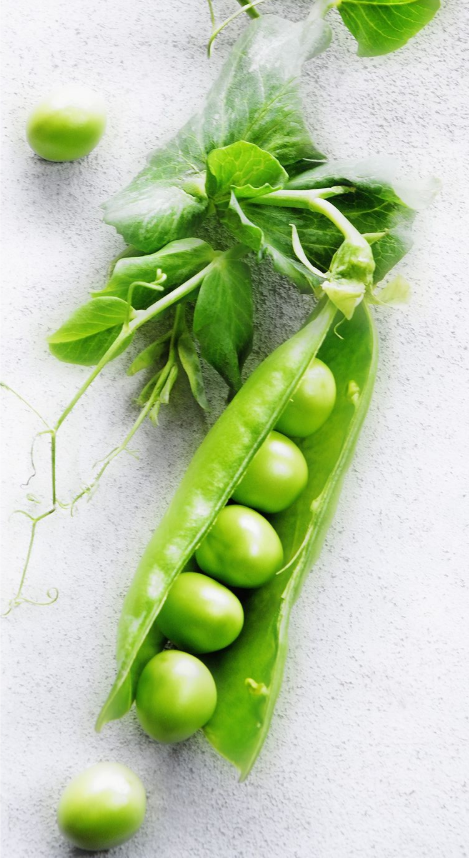
Gnocchi & Crème Fraiche with Courgettes, Broad Beans & Peas
Serves 2
Ingredients:
250g Fresh UK broad beans
150g Fresh UK garden peas
1 garlic clove
2 courgettes
olive oil
400g pack of potato gnocchi
100ml white wine
125ml crème fraîche
25g Parmesan (or vegetarian equivalent), grated
1 lemon
small handful of fresh mint
salt and pepper
Method:
Step 1
Put a kettle of water on to boil. While you wait for the kettle to boil, remove the broad
beans from their pods and place them in a heatproof bowl. Tip over enough boiling
water to just cover the beans. Leave them to sit for 6 minutes.
Step 2
Tip the remaining water from the kettle into a saucepan. Add a good pinch of salt,
place it on the heat and bring it back up to the boil. Leave it on a gentle simmer until
needed.
Step 3
Drain the broad beans, place them back in the bowl and cover in cold water to cool.
Take a few minutes to slip them from their papery skins.
Step 4
Pod the peas. Peel and finely chop 1 garlic clove. Trim the ends away from the
courgettes. Cut each one into quarters, lengthways. Cut each quarter into 2cm
pieces, roughly the same size as the gnocchi.
Step 5
Warm 1 tablespoon oil in a frying pan and add the courgettes. Season with a little
salt and pepper and fry over a medium heat for 6-8 minutes, until starting to soften.
Step 6
When the courgettes are done, bring the pan of water up to a rolling boil and drop in
the gnocchi. Cook for about 3-4 minutes, until they float to the surface.
Step 7
While the gnocchi cooks, add the white wine, garlic, peas and broad beans to the
courgettes. Let the wine bubble away and reduce until almost gone. Remove the pan
from the heat and stir in the crème fraîche and Parmesan.
Step 8
When the gnocchi are cooked, drain them and add to the frying pan. Mix well. Taste
and adjust with salt, pepper and a squeeze of lemon juice to your liking. Serve in
bowls with some freshly chopped mint leaves as a garnish.