November 2026 Market Report
MARKET NEWS
Food & Hospitality Sector Outlook for November 2026
The Food & Hospitality sector is expected to experience positive trading conditions throughout November 2026, supported by the start of the festive season, increased consumer spending on social occasions, and growing Christmas booking activity.
However, businesses continue to operate in a challenging cost environment, with labour expenses, energy costs, and emerging food commodity volatility placing sustained pressure on margins.
Inflation rose above market estimates to reach 3.5% in September, as fuel and transport costs surged to 6.6%. This is the highest rate in nearly a year and above
the Bank of England’s 2% target.
Operational Key Risks
Labour Costs – High Risk
Labour remains the most significant operational challenge for many hospitality
operators. Wage inflation and associated employment costs continue to outpace
revenue growth, creating ongoing pressure on profitability.
Energy Costs – Medium Risk
Higher energy prices continue to affect transportation, food production, refrigeration
and processing costs. Whilst the impact has not yet fully filtered through the supply
chain, upward pressure remains likely over the coming months.
| Category | Risk Level | November Outlook |
|---|---|---|
| Fresh Vegetables | High | Reduced yields and quality concerns following European drought conditions (see below for more detail) |
| Prawns Premium Seafood | High | Limited availability, strong demand and significant price inflation (see below for more detail) |
| Coffee | High | Continued commodity market volatility (see below for more detail) |
| Cocoa & Chocolate | High | Supply constraints ahead of Christmas demand (see below for more detail) |
| Dairy | Medium- High | Seasonal demand and input cost pressures (see below for more detail) |
| Bakery & Cereals | Medium- High | Exposure to fertiliser and energy costs |
| Edible Oils | Medium | Stable but vulnerable to global crop and freight movements (see below for more detail) |
| Beef & Lamb | Medium | Continued feed and supply pressures |
| White Fish | Medium | Freight, quota and fuel-related volatility |
| Poultry & Pork | Low | Relatively stable supply outlook |
Fish & Seafood – Medium/High Risk
Whilst the overall seafood market remains mixed, several premium shellfish
categories are experiencing significant supply pressure. Warm water prawns in
particular remain challenging to source consistently due to reduced global availability
and strong international demand. Importers are reporting tighter supply positions,
extended lead times and elevated prices versus historical averages. Operators
heavily reliant on prawns should anticipate continued inflationary pressure through
the festive season and consider reviewing menu specifications or alternative species
where appropriate.
White fish markets are also showing signs of volatility, with fuel, freight and quota-
related constraints affecting availability of selected lines. Premium seafood products
are therefore expected to remain exposed to short-term price fluctuations.
Fresh Produce – High Risk
Beyond general vegetable inflation, salad crops, peppers, tomatoes and leafy
products remain vulnerable following adverse weather conditions across key
European growing regions. Supply quality and consistency may become a greater
issue than outright availability, creating challenges for menu planning and waste
management.
Dairy – Medium/High Risk
Butter, cream and cheese demand traditionally increases ahead of the Christmas
season. Combined with elevated feed, transport and energy costs, buyers should
expect selective price movements, particularly on premium and speciality dairy
products used in festive menus.
Oils & Frying Products – Medium Risk
Edible oil markets have stabilised compared with previous years but remain exposed
to global crop yields, freight costs and geopolitical uncertainty. Businesses with
significant frying operations should continue monitoring pricing and consider forward
purchasing opportunities where available.

Coffee & Cocoa – High Risk
Whilst both markets remain volatile due to weather-related supply challenges, chocolate products may see additional inflationary pressure as seasonal demand accelerates through November and December. Premium dessert and beverage ranges are most exposed.
COMMODITIES REPORT
What’s in Season in November
UK apples and pears remain key seasonal choices. We are transitioning into the
Mediterranean citrus season, with Spanish supply building across key lines.
Pomegranates are now in peak season and will remain through November and
December.
Peaches and nectarine season has now finished, and figs are nearing the end.
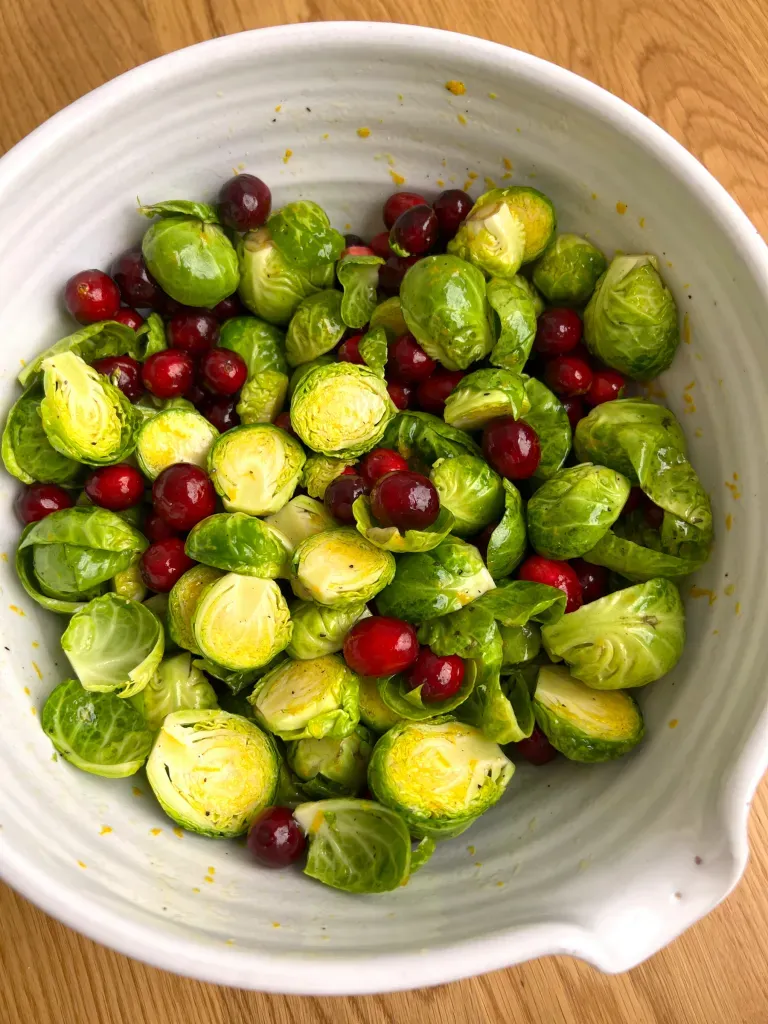
Cranberries are starting to arrive, and we are predicting a good quality harvest.
UK broccoli is now finished, and supply will move to Spain. January King cabbage
and Brussels sprouts are looking great. Kale and Cavolo Nero are also good options
for November.
Squash season continues with fantastic and versatile home-grown options. See our
recipe below for an easy Autumn special to add to your menu.
Conclusion
November presents a significant revenue opportunity for hospitality operators, with
festive celebrations expected to drive increased footfall and consumer spending.
While the outlook is positive, ongoing volatility in categories such as fresh vegetables, coffee and cocoa, alongside rising labour costs, may create challenges for businesses managing their food and beverage spend.
Talk to us about the many ways Connect can help drive down your purchasing costs.
Contact Connect Purchasing or call
01491 821199
Seasonal Recipe Suggestion
Creamy Squash Pasta with Crispy Sage
A comforting, creamy pasta dish perfect for autumn evenings. Packed with warming flavours, it's a delicious seasonal dish that's both simple and satisfying.
Ingredients:
4 shallots, finely sliced
3 garlic cloves, finely chopped
600g squash, peeled and coarsely grated
600ml vegetable or chicken stock
25g butter
16 sage leaves
500g pasta of your choice
150ml double cream
freshly grated nutmeg, to taste
60g toasted hazelnuts, chopped, to garnish
Parmesan, or veggie alternative
olive oil
salt & black pepper
Method:
Step 1: Put a large pan of salted water on to boil for the pasta.
Step 2: Warm 2 tablespoons of olive oil in a separate large saucepan and add the shallots with a pinch of salt. Fry the shallots gently for about 8 minutes until starting to soften.
Step 3: Add the garlic and grated squash. Cook for 4–5 minutes, stirring often, before adding the stock. Bring to a simmer and cook for about 15 minutes until the squash is completely tender.
Step 4: While the squash is cooking, put a small frying pan over a gentle heat. Melt the butter, then add the sage leaves and fry until they sizzle and start to crisp up. Remove them from the pan and keep to one side. Set the pan of butter aside as well to use later.
Step 5: Add the pasta to the boiling water and cook it according to the packet instructions while you finish the sauce.
Step 6: When the squash is tender, remove the pan from the heat and stir in the cream. Use a stick blender to blend the squash into a smooth, silky sauce. Add a dash or so of the pasta water to thin it to the desired consistency if it seems too thick. Taste and tweak the seasoning to your taste with salt, pepper and some freshly grated nutmeg.
Step 7:
Drain the pasta and stir it into the sauce. Divide between shallow bowls and garnish with the hazelnuts, crispy sage leaves and a spoonful of the sage-flavoured butter. Serve with Parmesan grated over.